Gorilla families in Bwindi
November 5, 2025Gorilla trekking and Big Five safari
November 5, 2025The History of Mountain Gorilla Conservation: From Near Extinction to Hope
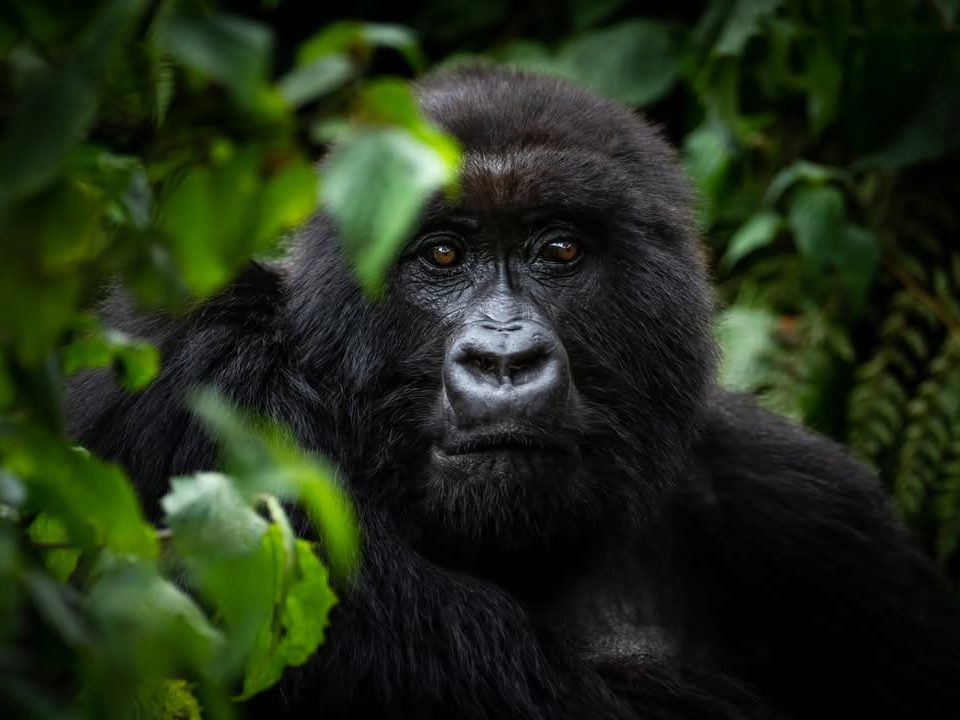
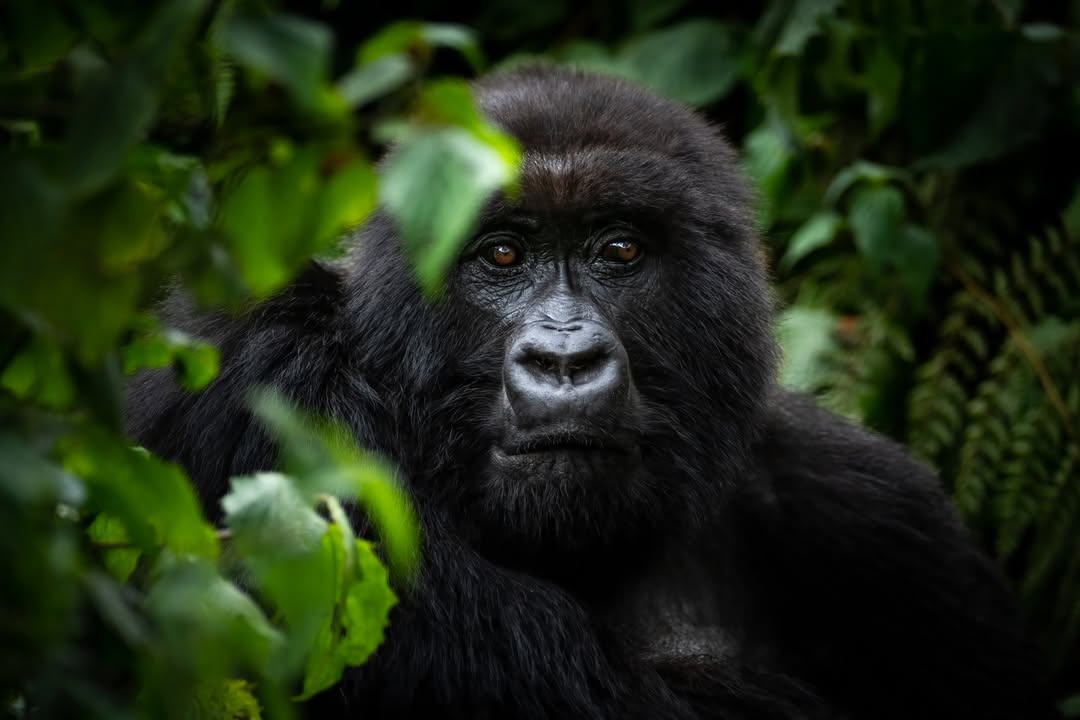
The story of mountain gorilla conservation is one of the most inspiring examples of how human determination, science, and community collaboration can reverse the tide of extinction. Once feared to be lost forever, these majestic apes — a subspecies of the eastern gorilla (Gorilla beringei beringei) — now stand as a global symbol of resilience and coexistence.
From early scientific discovery to modern-day eco-tourism, the journey of saving the mountain gorilla is filled with challenges, courage, and triumph.
History of mountain gorilla conservation
Early Discoveries and Misunderstandings
The mountain gorilla was unknown to science until 1902, when Captain Robert von Beringe, a German officer exploring the Virunga Mountains, encountered and collected specimens of a large, black primate unlike any other known species. His discovery led to the naming of Gorilla beringei, in his honor.
At the time, gorillas were viewed with fear and mystery. Western explorers and early naturalists described them as savage beasts, often fueling myths of aggression and danger. Unfortunately, this misunderstanding led to trophy hunting and scientific collecting, with little thought for conservation. Gorillas were killed for museum exhibits, and their habitats were largely ignored by colonial administrations.
This early era of discovery, while scientifically valuable, also marked the beginning of human disruption in gorilla habitats — a tension that would shape conservation efforts for decades to come.

Groundbreaking Research: Carl Akeley and George Schaller
In 1925, American naturalist Carl Akeley persuaded King Albert of Belgium to establish Albert National Park, the first protected area in Africa, which was later expanded in 1929. This marked the beginning of organized conservation for mountain gorillas. The park provided a sanctuary from hunting and habitat destruction, although enforcement was still limited.
By the 1950s, more rigorous scientific research began. Zoologist George Schaller undertook in-depth field studies of gorillas in Albert National Park. His work culminated in The Mountain Gorilla: Ecology and Behavior (1963) and The Year of the Gorilla (1964), revealing gorillas’ intelligence, emotional depth, and social complexity. Schaller’s findings challenged prevailing stereotypes and demonstrated that gorillas were far more gentle and sophisticated than previously imagined.
Dian Fossey and the Turning Point
The most transformative chapter in mountain gorilla conservation began in 1967, when Dr. Dian Fossey, an American primatologist, established the Karisoke Research Center between Rwanda’s Mount Karisimbi and Mount Visoke.
Fossey dedicated 18 years of her life to studying gorillas, living among them in harsh mountain conditions. Her meticulous research revealed the gorillas’ true nature — gentle, intelligent, and deeply social. Through close observation, she uncovered intricate family bonds, communication systems, and emotional depth once thought unique to humans.
Fossey’s work, later immortalized in her book Gorillas in the Mist, changed global perception. The world came to see gorillas not as monsters, but as sentient beings worthy of protection.
However, her conservation efforts were not without conflict. Fossey fiercely opposed poaching and illegal tourism, confronting both poachers and corrupt officials. Her passionate, sometimes controversial methods earned her enemies — and in 1985, she was found murdered in her cabin at Karisoke. Though her death remains a mystery, her legacy endures.
Today, the Dian Fossey Gorilla Fund continues her mission, leading research, education, and protection programs across Rwanda and the Congo Basin.
The Rise of Protected Areas
Even before Fossey’s death, African nations had begun recognizing the need for gorilla protection. Conservation shifted from research to action.
1959: Rwanda established the Parc National des Volcans (Volcanoes National Park), protecting key gorilla habitat in the Virungas.
1964: The Democratic Republic of Congo reinforced protection for Virunga National Park, Africa’s oldest national park.
1991: Uganda followed suit with the creation of Bwindi Impenetrable National Park and Mgahinga Gorilla National Park, both UNESCO World Heritage Sites.
These parks became sanctuaries where gorillas could live without immediate threat from hunters and settlers. Over time, they evolved into global centers of gorilla research and eco-tourism, with teams of dedicated rangers trained to track and monitor gorilla groups daily.
The Birth of Gorilla Tourism
The late 1970s marked a turning point for gorilla conservation through gorilla tourism. In 1979, the first experimental trekking programs were conducted at Karisoke with groups such as Group 11, led by the calm silverback Stilgar. Tourists were strictly limited to six people per gorilla family and could spend only one hour with the gorillas to minimize stress.
This innovation combined conservation with economic development: local communities were employed as rangers, trackers, and guides, creating jobs while incentivizing protection over poaching. The program also laid the groundwork for the strict guidelines that govern ethical gorilla tourism today, ensuring minimal human impact on gorilla behavior.

Challenges: Poaching, Conflict, and Population Decline
Mountain gorillas faced numerous challenges throughout the 20th century:
1978: The brutal killing of Silverback Digit and five other gorillas in Rwanda shocked the world. Digit’s death highlighted the vulnerability of habituated gorillas and galvanized international conservation support. His tomb near Karisoke remains a poignant symbol of loss and dedication.
1990s: Civil unrest in Rwanda and Uganda, including the 1994 genocide, led to poaching and the deaths of 18–22 gorillas, temporarily halting tourism.
1992: In Uganda, poachers killed Mrithi, a silverback from a habituated family, showing that even protected gorillas remained at risk.
Despite these setbacks, long-term conservation strategies persisted, with habituation programs and anti-poaching patrols paving the way for recovery.
Recovery and Milestones
Years of dedicated conservation have yielded remarkable results:
1989: The Virunga and Bwindi populations totaled 644 gorillas.
1993: Uganda opened the Mubare Gorilla Group in Bwindi to tourism after a 3-year habituation, pioneering eco-tourism in the region.
2004: Four gorilla families were open to tourism in Uganda, with additional trailheads in Ruhija and Rushaga.
2012: Nine habituated families were available for trekking in Bwindi. Gorilla tourism had become a significant source of revenue for both conservation and local communities.
2018: The International Union for Conservation of Nature (IUCN) reclassified mountain gorillas from Critically Endangered to Endangered, reflecting successful population recovery.
Today, over 1,060 mountain gorillas roam protected habitats in Bwindi and the Virunga Massif, closely monitored by rangers, researchers, and conservation organizations like the Gorilla Doctors.
Gorilla Tourism and Community Impact
Gorilla tourism remains a cornerstone of mountain gorilla conservation:
Revenue Generation: Permit fees fund park management, anti-poaching patrols, and infrastructure projects.
Local Employment: Communities gain livelihoods as guides, trackers, lodge staff, and conservation workers.
Education and Awareness: Tourism encourages a culture of conservation, showing that gorillas are valuable national and global assets.
By turning gorillas into living ambassadors, tourism aligns economic incentives with species protection.
Ongoing Challenges During the History of mountain gorilla conservation
While populations have rebounded, mountain gorillas remain vulnerable:
Habitat Loss: Expansion of agriculture and logging continues to threaten forests.
Disease Transmission: Respiratory illnesses from humans can be fatal to gorillas.
Climate Change: Altered rainfall and vegetation patterns affect food availability.
Political Instability: Regional conflicts can disrupt conservation efforts and tourism.
Sustained commitment from governments, communities, and international partners is essential to safeguard their future.
A Legacy of Hope
the history of mountain gorilla conservation is a testament to persistence, collaboration, and compassion. From the pioneering research of George Schaller and Dian Fossey to modern eco-tourism programs, these magnificent primates have moved from near extinction to a symbol of hope.
Their story illustrates that with science, protection, and community engagement, humans can reverse the trajectory of endangered species — preserving both wildlife and the ecosystems they inhabit.