• Contact Us today
  • +256705140506
  • +96899413322
  • [email protected]
Rashfa Tracking Safari LogoRashfa Tracking Safari LogoRashfa Tracking Safari LogoRashfa Tracking Safari Logo
  • Uganda
  • Rwanda
  • Kenya
  • Tanzania
  • Combined Safaris
    • Combined Safaris
      • 10 Day Bwindi gorillas  and game viewing in Kenya and Tanzania
      • 10 Days Kenya and Rwanda Tour
      • 13 Days Uganda Tour & Rwanda Safari
      • 10 Day Bwindi and Masai Mara Adventure
      • 15 Days Uganda Primates & Kenya Wildlife Safari
    • Other Combined
      • 25 Days Rwanda, Uganda, Kenya and Tanzania Safari Experience
      • 27 Days Uganda Rwanda Kenya Tanzania Adventure Safari
      • 32 Days Uganda Rwanda Kenya Tanzania Safari
      • 8 Days Kenya and Tanzania Safari Holiday
      • 7 Days Kenya and Tanzania Wildlife Safari
  • Experience
    • Gorilla Habituation Experience
    • Gorilla Trekking in Rwanda
    • Chimpanzee Trekking Tours in Uganda
    • Gorilla Trekking Tours in Uganda
    • Great Wildlife Migration in Tanzania
    • Great Wildlife Migration Kenya
    • Hot Air Balloon Safari
    • Chimpanzee Habituation Safaris
  • About Us
Request a Qoute
✕

How to photograph gorillas without flash

  • Home
  • Our Blogs
  • Uncategorized
  • How to photograph gorillas without flash
Accessible gorilla trekking tours for disabled tourists
November 22, 2025
gorilla and chimpanzee trekking safari
Understanding Gorillas: Their Low Reproductive Rate and Lifespan
November 23, 2025

How to photograph gorillas without flash

Gorilla Photography Without Flash

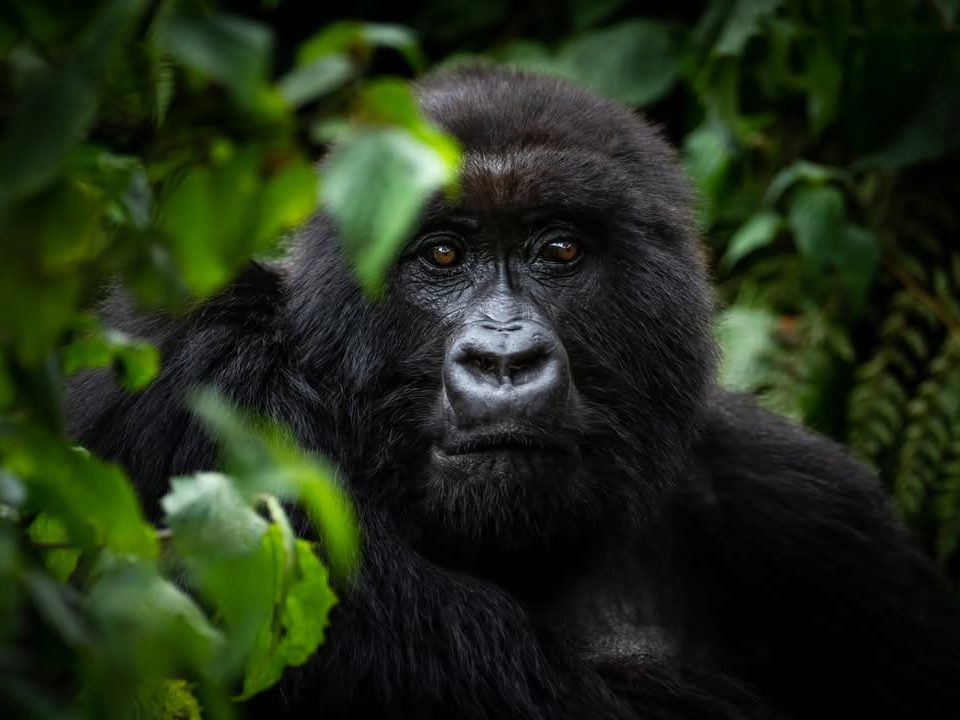
Photographing mountain gorillas is one of the most extraordinary wildlife experiences on Earth. However, flash photography is strictly prohibited during gorilla trekking in Uganda, Rwanda, and DR Congo. Flash can startle the gorillas, disrupt their behavior, or cause aggression, especially in silverbacks. Because of this, photographers must learn to work with natural forest light—often dim, filtered, and unpredictable. The good news? With the right techniques, you can capture stunning, professional-quality images without ever using a flash.

Understand the Lighting Conditions

Gorillas live deep in misty, bamboo-filled, or thick rainforest environments where natural light can be low. Expect a mixture of soft shadows, filtered sunlight, and patches of backlight. To succeed in these conditions, it’s essential to know how your camera behaves in low light. Before your trek, practice shooting in shaded gardens or forests to understand how light changes your settings. This preparation helps you adjust quickly during your one precious hour with the gorillas.

Use a Wide Aperture for More Light

One of the most effective ways to capture gorillas without flash is using a wide aperture, typically between f/2.8 and f/5.6. A wider aperture allows more natural light to hit the sensor and creates a beautiful soft background, helping the gorilla stand out from the dense vegetation. Lenses like a 70–200mm f/2.8 or a 100–400mm f/4–5.6 are ideal because they balance reach and luminosity. A wide aperture also increases shutter speed, making it easier to freeze movements such as feeding, grooming, or playful interactions.

Increase the ISO—Don’t Be Afraid of Higher Numbers

Many travelers fear raising ISO, but modern cameras handle noise very well. In gorilla habitats, ISO settings of 800–3200 are common and perfectly acceptable. It is far better to have a sharp, slightly grainy image than a clean but blurry one. Increasing ISO gives your sensor the boost it needs to handle low light while maintaining enough shutter speed to freeze subtle motions like blinking, chewing, or turning.

Use a Fast Shutter Speed for Movement

Even though gorillas appear calm, they move often—scratching, reaching for leaves, turning their heads, or nursing babies. A shutter speed of 1/250–1/500 is usually enough to capture these movements clearly. For silverbacks or fast-moving juveniles, slightly faster speeds help prevent motion blur. When light is really low, balancing shutter speed with aperture and ISO becomes key, so practice adjusting these settings quickly before your trek.

Stabilize Your Camera for Sharp Photos

Because tripods are rarely practical on jungle terrain, most photographers rely on:

  • Monopods,

  • Lightweight trekking poles with camera mounts, or

  • Simply bracing against your knees, a tree, or a rock.

Stabilizing your camera minimizes shake and improves clarity, especially when using longer lenses. If your lens or camera has image stabilization (IS/VC/VR), keep it switched on—this makes a noticeable difference in handheld low-light shots.

Focus on the Eyes for Emotional Impact

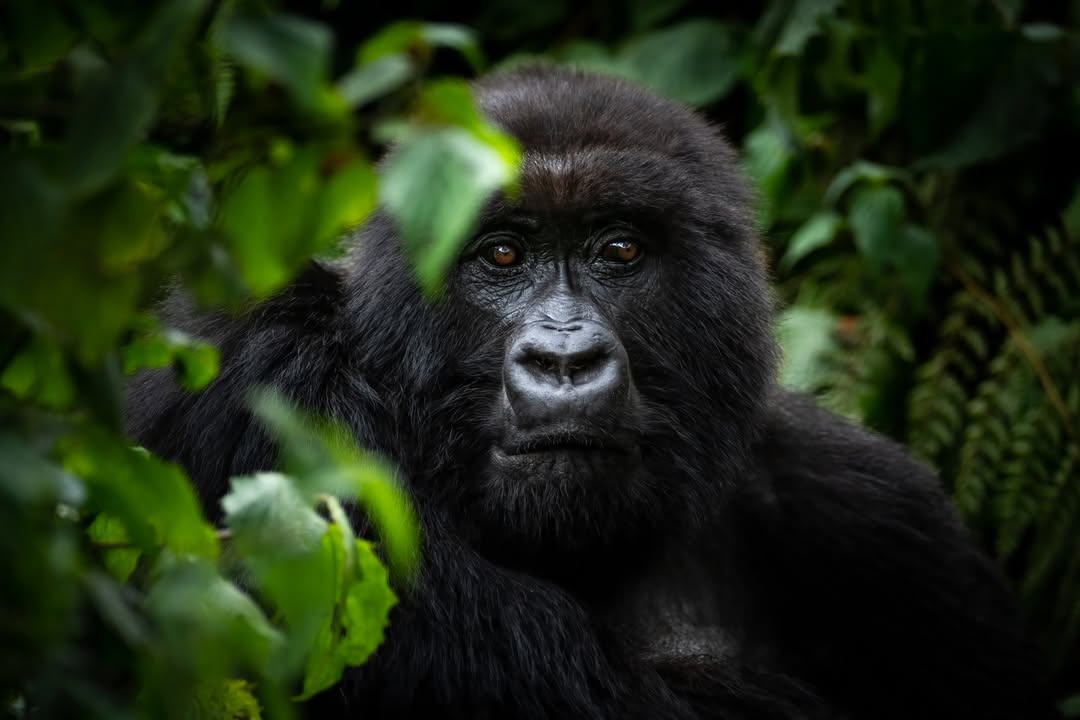
To create powerful gorilla portraits, always focus on the eyes. Gorillas have deeply expressive faces, and sharp eyes instantly elevate your photo. Use single-point autofocus for precision, and lock onto the eye closest to your camera. When light is low, autofocus can struggle, so staying calm and patient helps the camera lock focus properly.

Use Burst Mode for Moving Subjects

Gorillas move unpredictably, especially curious juveniles. Burst mode (continuous shooting) increases your chances of capturing the perfect moment—whether it’s a tender mother-baby interaction or a silverback glancing directly at your lens. Even in dim light, short bursts ensure you don’t miss key expressions or gestures.

Pay Attention to Composition

Photographing gorillas is about storytelling. Use the surrounding forest to frame your shots—vines, leaves, bamboo, or tree trunks can add depth. Shoot from eye level whenever possible, as it creates natural, intimate images. Don’t zoom too tightly on every shot; include some environmental photos to show their forest home, especially when sunlight filters beautifully through the canopy.

Prepare for Weather and Fog

Gorilla habitats are often rainy, misty, or humid, so your gear should be protected. Bring:

  • Waterproof rain covers

  • Lens cloths

  • Anti-fog wipes

  • Dry bags

Moisture can affect camera performance, so wipe your lens frequently and keep gear covered until you’re ready to shoot. Misty conditions, however, can create magical, cinematic images—use them creatively rather than fighting the weather.

Be Patient and Let Moments Unfold

Unlike photographing lions or elephants, gorilla photography rewards stillness and patience. Move slowly, follow ranger instructions, and wait for natural behavior to unfold. Gorillas often relax once they feel safe, giving you plenty of time to capture calm, intimate scenes. Avoid rushing—the best photos often come from quietly observing.

Put the Camera Down and Enjoy the Experience

Finally, remember that your gorilla trek is not only about taking photos—it’s about connection, presence, and emotion. Take a few minutes to lower your camera and absorb the moment. This balance ensures your memories remain vivid long after your photos are taken.

Other Related Posts

  • Photography tips for gorilla trekking
  • Top Wildlife Photography Locations in Uganda
  • Safari Photography Tips for Beginners
  • Best Lenses for Safari Photography
  • How to Photograph Gorillas in the Wild
  • Uganda Photography Safari: What You’ll Capture
  • Best Safari Cameras for Wildlife Photography
  • Rwanda Photography Safaris
Share

Related posts

Hiking Mount Sabinyo

Hiking Guide to Mount Sabinyo

March 25, 2026

Hiking Mount Sabinyo : Everything You Need to Know (2026 Guide)


Read more
Rwanda Uganda Travel Packing

Rwanda Uganda Travel Packing

March 11, 2026

What to Pack for Rwanda and Uganda


Read more
March 5, 2026

Amajambere Iwacu Community Camp


Read more

Leave a Reply Cancel reply

You must be logged in to post a comment.

Our Experiences

Gorilla Safaris
Chimpanzee Safaris
Wildebeest Migration in Tanzania
Wildebeest Migration in Kenya
Hot Airballoon Safaris
Wildlife Safaris
Birding Safaris
Combined Safaris
Photographic Safaris

Our Company

Why Travel With Us
Booking Terms
Travel Blogs
Review Us On Trip Advisor
Review Us On Google

Destinations

Uganda Safaris
Kenya Safaris
Rwanda Safaris
Tanzania Safaris

Get In Touch

Find us at Victoria mall, Entebbe (Monday – Friday: 9am – 5pm EAT) (Saturday – Sunday: 9am – 2pm EAT)
Call Us: +256705140506
Office Line : +96899413322
Email Us: [email protected]
Gmail : [email protected]
© Copyright 2026 Rashfat Tracking Safaris. All Rights Reserved & Designed By Umar Techs Ltd
Request a Qoute