How to photograph gorillas without flash
November 22, 2025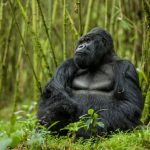
Is gorilla trekking suitable for older travelers?
November 28, 2025
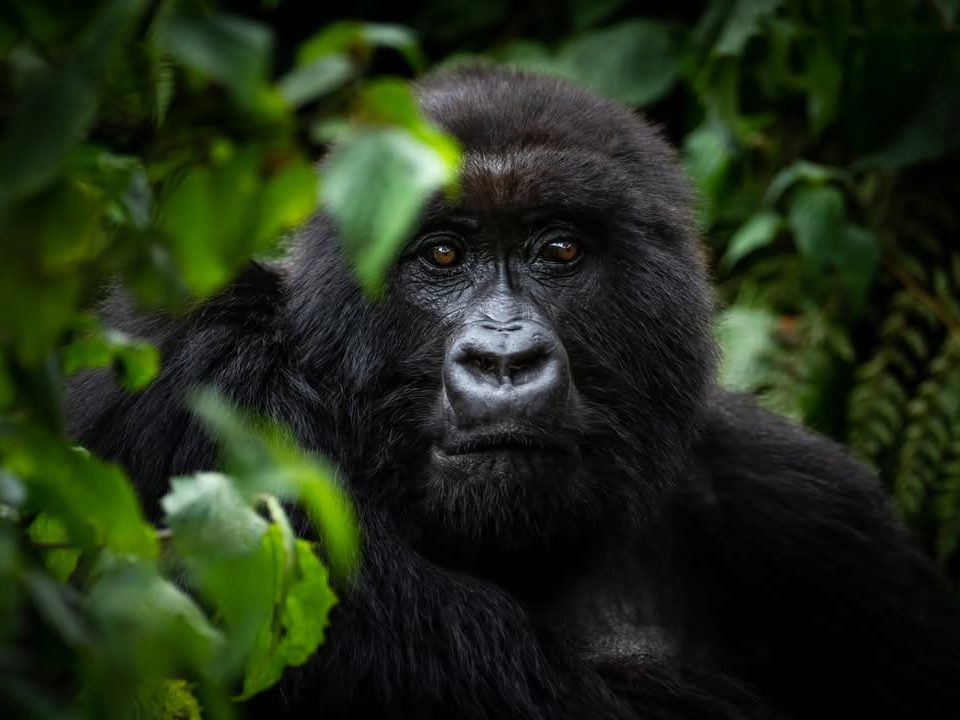
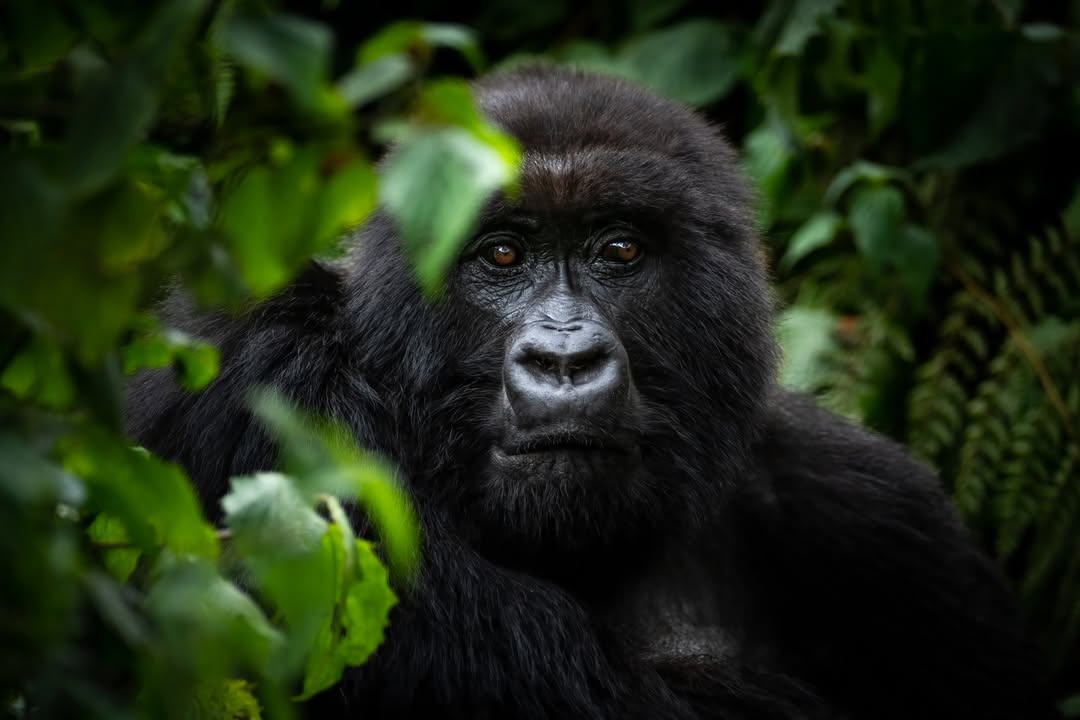
Gorillas are among the most fascinating primates on our planet—intelligent, gentle, and deeply social. Yet despite their strength and presence, gorillas are surprisingly vulnerable. One of the biggest challenges facing their survival is their very low reproductive rate, which makes it difficult for populations to recover from threats such as poaching, habitat loss, and disease.
Gorillas’ Low Reproductive Rate
Unlike many animals that reproduce frequently, gorillas have a slow and delicate reproductive process. Female gorillas typically give birth once every 4–6 years, and this alone greatly limits how fast a population can grow.
Some key reasons for their low reproductive rate include:
1. Long Gestation Period
Female gorillas carry their babies for about 8.5 months, similar to humans. This long pregnancy means births are naturally spaced out.
2. Extended Maternal Care
Baby gorillas rely heavily on their mothers for food, protection, and social learning. Mothers invest several years caring for one infant before they can physically and safely raise another.
3. Late Sexual Maturity
Female gorillas reach maturity at around 10 years, while males become fully mature around 12–15 years. This slow development further limits reproductive opportunities.
Because of these factors, gorilla populations grow very slowly—even under perfect conditions. This is why conservation efforts are so critical.
Gorilla Lifespan
In the wild, gorillas typically live between 35 and 40 years. However, in protected environments such as national parks or sanctuaries, they may live even longer—sometimes reaching 50 years or more.
Their lifespan is influenced by:
-
Habitat quality
-
Availability of food
-
Disease exposure (such as respiratory infections)
-
Protection from poaching
-
Social stability within the troop
With proper conservation and tourism practices, gorillas can thrive and live long, healthy lives in their natural habitat.
Why This Matters for Conservation
Because gorillas reproduce so slowly, every individual is incredibly valuable. Losing even one adult female or silverback has major effects on the entire troop.
This is why responsible tourism, habitat protection, and community engagement are essential. Gorilla trekking experiences—when done ethically—provide both awareness and financial support to protect these magnificent animals.
Explore Gorilla Trekking With Rashfa Tracking Safaris
If you are passionate about wildlife and want to encounter gorillas responsibly, visit:
🌍 https://rashfatrackingsafaris.com
Your trusted partner for unforgettable gorilla trekking adventures across East Africa.