• Contact Us today
  • +256705140506
  • +96899413322
  • [email protected]
Rashfa Tracking Safari LogoRashfa Tracking Safari LogoRashfa Tracking Safari LogoRashfa Tracking Safari Logo
  • Uganda
  • Rwanda
  • Kenya
  • Tanzania
  • Combined Safaris
    • Combined Safaris
      • 10 Day Bwindi gorillas  and game viewing in Kenya and Tanzania
      • 10 Days Kenya and Rwanda Tour
      • 13 Days Uganda Tour & Rwanda Safari
      • 10 Day Bwindi and Masai Mara Adventure
      • 15 Days Uganda Primates & Kenya Wildlife Safari
    • Other Combined
      • 25 Days Rwanda, Uganda, Kenya and Tanzania Safari Experience
      • 27 Days Uganda Rwanda Kenya Tanzania Adventure Safari
      • 32 Days Uganda Rwanda Kenya Tanzania Safari
      • 8 Days Kenya and Tanzania Safari Holiday
      • 7 Days Kenya and Tanzania Wildlife Safari
  • Experience
    • Gorilla Habituation Experience
    • Gorilla Trekking in Rwanda
    • Chimpanzee Trekking Tours in Uganda
    • Gorilla Trekking Tours in Uganda
    • Great Wildlife Migration in Tanzania
    • Great Wildlife Migration Kenya
    • Hot Air Balloon Safari
    • Chimpanzee Habituation Safaris
  • About Us
Request a Qoute
✕

Monkeys vs Apes

  • Home
  • Our Blogs
  • Exciting Adventures
  • Monkeys vs Apes
Early Bird Deals: Uganda Safari Discounts for 2025
August 11, 2025
Is Uganda Safe for Tourism During the 2026 Presidential Elections?
September 20, 2025

Monkeys vs Apes

Monkey Vs Apes – Behaviour, physical traits, habitat and diet compared

Monkeys and  Apes both belong to the primate order, making them close relatives in the animal kingdom. However, despite this shared lineage, they represent two distinct branches with unique evolutionary paths. Monkeys, which include species like baboons, macaques, and capuchins, are generally smaller, more widespread, and exhibit remarkable adaptability to diverse environments—from dense tropical forests to savannahs and mountainous regions. Apes, a group encompassing gorillas, chimpanzees, orangutans, gibbons, and humans, tend to be larger, more cognitively advanced, and more dependent on specific habitats, especially forested ecosystems.

While they share common traits such as social living, high intelligence compared to many mammals, and omnivorous diets, the differences between the two groups are profound. From physical distinctions like the presence or absence of tails to behavioural complexities such as tool use, communication skills, and social structures, each group has evolved unique characteristics shaped by its ecological niche. This detailed comparison explores the fascinating contrasts—and occasional similarities—between monkeys and apes in terms of anatomy, behaviour, habitats, diets, and survival strategies.

Shared Ground: What Monkeys and Apes Have in Common

Monkey Vs Apes ; Despite their many differences, monkeys and apes share several key characteristics rooted in their shared primate ancestry:


  • Evolutionary Connection: Both monkeys and apes belong to the order Primates, meaning they share a distant common ancestor that lived millions of years ago. This evolutionary link explains the similarities in their body structures, forward-facing eyes for depth perception, grasping hands, and relatively large brains compared to most other mammals.

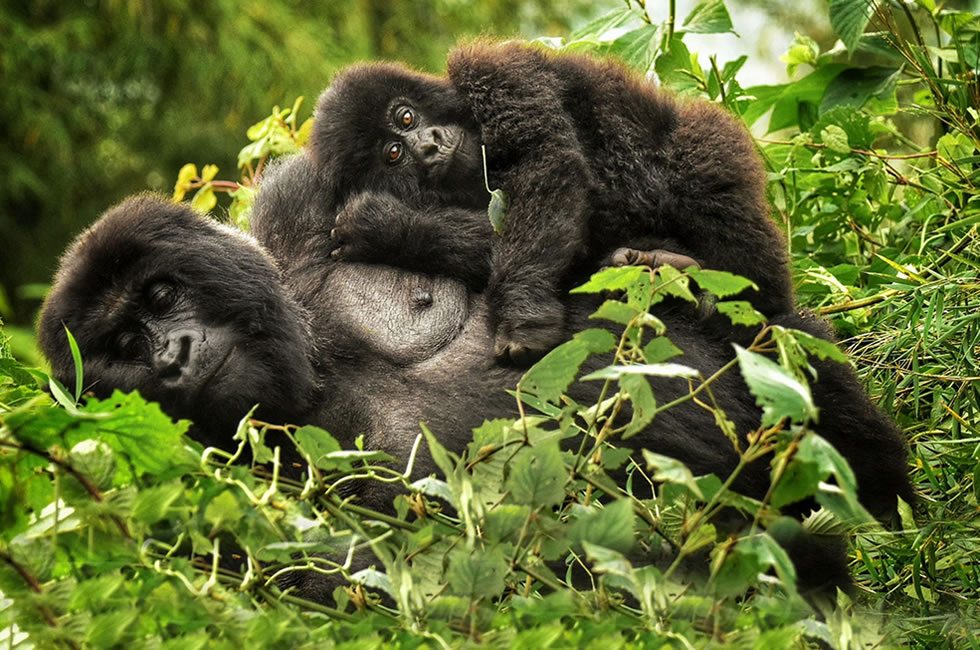
  • Complex Social Structures: Social living is central to both groups. Monkeys often form large troops, sometimes numbering in the hundreds, with clear hierarchies and defined roles for males, females, and young. Apes, though often living in smaller family units or communities, exhibit equally complex social bonds—ranging from gorilla harems led by a dominant silverback to chimpanzee communities with shifting alliances and intricate politics.


Physical Traits: How Their Bodies Differ

Feature

Monkeys

Apes

Tail

Usually present. In New World monkeys especially, tails may be prehensile (able to grasp).

Absent. Apes lack tails.

Body size

Small to medium; typically lighter and more agile.

Larger bodies, higher mass; e.g. gorillas are very large.


Chest &

shoulders

Narrower chest, shoulders less flexible; built for running, leaping, quadrupedal movement.

Broad chest, highly flexible shoulders—adapted for swinging through trees (brachiation), knuckle-walking (in some), or upright postures in limited situations.

Facial features & expression

Often longer snouts; less range of facial expressiveness.

Flatter faces, more expressive features; able to convey emotions via expressions.

Brain size & intelligence

Relatively smaller brain-to-body ratio; intelligence present but more constrained in terms of tool use or abstract problem solving for most species.

Larger brains relative to body size; more capacity for advanced cognition, tool use, self-awareness, and cultural behaviour.

Behavioural / Cognitive Differences

Monkey Vs Apes

  • Problem-Solving and Tool Use;

  • Apes are known for their remarkable problem-solving abilities. Species like chimpanzees and orangutans use sticks to extract termites, craft leaf sponges to collect water, and even sharpen sticks for hunting small animals. They demonstrate foresight, planning ahead for future needs, and teaching skills to younger members—behaviours that hint at elements of culture. Monkeys, on the other hand, also show cleverness—like cracking nuts using rocks or using tails and limbs to manipulate objects—but their tool use is generally simpler and often driven by immediate necessity rather than long-term planning.

  • Social Complexity:
    Ape societies often display advanced social systems with deep emotional bonds, cooperation, and even political strategies. Chimpanzees form alliances to rise in dominance hierarchies, while gorillas live in stable family groups led by protective silverbacks. These societies involve trust, reconciliation after conflicts, and caring for sick or injured members. Monkey troops also have hierarchies and social rules, but cultural transmission—like teaching skills across generations—is much more limited compared to apes.

  • Communication:
    Apes use a wide array of vocalisations, body postures, facial expressions, and gestures to communicate. Some, like bonobos and chimpanzees, have been taught basic sign language or symbolic communication in captivity, proving their capacity for learning human-designed systems. Monkeys also communicate actively through calls, facial signals, and body movements, but their communication is often more instinctual, tied closely to alarm calls, mating signals, or troop coordination rather than learned symbolic systems.

Monkeys Vs Apes – Habitat & Diet

Habitats;  Monkeys Vs Apes

  • Monkeys:
    Monkeys inhabit an extraordinary range of environments, reflecting their adaptability and evolutionary success. In the Americas, New World monkeys occupy tropical rainforests, dry woodlands, and even high-altitude cloud forests in the Andes. Old World monkeys in Africa and Asia range from dense rainforests to open savannahs and arid scrublands. Some species, like macaques, have adapted to urban landscapes, living alongside humans in towns and cities, exploiting food sources like crops and garbage. This environmental flexibility has allowed monkeys to flourish across multiple continents and climates.

  • Apes:
    Apes, in contrast, are more specialized in their habitat requirements. They primarily occupy tropical and subtropical forests in Africa and Asia. Gorillas live in lowland rainforests and mountainous regions, chimpanzees and bonobos prefer tropical forests and savannah-forest mosaics, while orangutans are confined to the dense rainforests of Borneo and Sumatra. Many ape species depend on large, continuous tracts of undisturbed forest for feeding, nesting, and social living. Habitat fragmentation due to logging, farming, and urbanization poses a significant threat to their survival.

Diet; Monkey Vs Apes

  • Monkeys:
    Monkeys are opportunistic omnivores with diverse diets. Fruits form the bulk of their intake, but leaves, flowers, seeds, nuts, insects, and small animals often supplement their meals. Some species, like baboons, are highly adaptable and consume human crops, scavenged food, or even hunt small vertebrates when necessary. This dietary flexibility allows monkeys to thrive in areas where other primates might struggle, particularly in environments with seasonal food shortages.

  • Apes:
    Apes primarily consume plant-based diets but exhibit variations across species and environments. Gorillas, for instance, are mostly folivorous, eating leaves, shoots, and stems, while chimpanzees rely heavily on fruits but also hunt small animals cooperatively, displaying remarkable coordination. Bonobos consume fruits and vegetation with occasional invertebrates, whereas orangutans are frugivorous, timing their movements with seasonal fruiting cycles in rainforests. This dietary diversity reflects their ecological niches and the role of intelligence in locating, processing, and sharing food.

Lifespan, Reproduction & Vulnerabilities

Lifespan – Monkey Vs Apes

  • Monkeys:
    Most monkey species have a relatively shorter lifespan compared to apes, typically living between 15–30 years in the wild, with some individuals reaching slightly longer ages in captivity where threats such as predators, disease, and food scarcity are minimized. Their shorter lifespans often align with faster reproduction cycles and higher offspring numbers, ensuring population stability even in challenging environments.

  • Apes:
    Apes live significantly longer, with species such as chimpanzees, orangutans, and gorillas often reaching 40–50 years in the wild and sometimes exceeding 60 years in captivity under proper care. Their extended lifespans go hand in hand with slower reproductive rates, prolonged childhood dependence, and the transmission of social knowledge across generations, contributing to their advanced learning and cultural behaviours.

Reproduction – Monkey Vs Apes

  • Monkeys:
    Monkeys reproduce more rapidly, with shorter gestation periods—often ranging from 4–7 months depending on the species. Some monkeys may give birth to twins, though single offspring are more common. They also reach sexual maturity earlier, allowing populations to grow quickly in favourable environments and recover faster from losses.

  • Apes:
    Apes follow a “slow life history” strategy, with longer gestation periods—around 8–9 months for great apes—and usually give birth to a single infant. Mothers invest heavily in parental care, nursing and protecting their young for several years before the offspring gain independence. Sexual maturity occurs later in life, and long intervals between births make ape populations more vulnerable to threats like hunting and habitat loss, as recovery from population decline is slow.

Conservation Status & Threats


  • Apes:
    Apes are among the most endangered primates on Earth, largely because of their slow reproduction rates and dependence on large, continuous tracts of forest. Gorillas in Bwindi forest and Volcanoes national park, chimpanzees in Kibale forest, bonobos in Lola ya Bonobo , and orangutans face severe threats from habitat destruction, poaching, and emerging diseases like Ebola. Mining activities, palm oil plantations, and logging operations have fragmented much of their habitat, reducing access to food and safe nesting sites. Conservation efforts such as protected areas, eco-tourism initiatives, anti-poaching patrols, and reforestation programs are critical to safeguarding remaining populations. Without strong international cooperation and local community involvement, many ape species risk extinction within decades.

Monkeys:
The conservation status of monkeys varies widely across species. Some, like rhesus macaques and baboons, adapt well to human-dominated landscapes and even thrive near agricultural areas or cities. However, many others—particularly rainforest species such as colobus monkeys or golden snub-nosed monkeys—are highly threatened by deforestation, hunting for bushmeat, and the illegal pet trade. As habitats shrink due to agriculture, logging, and infrastructure expansion, smaller and more isolated monkey populations face declining genetic diversity and increasing human-wildlife conflicts.

Monkeys Vs Apes

What These Differences Tell Us

Monkey Vs Apes reveal fascinating insights into the evolutionary trade-offs that shape primate biology and behavior. Monkeys, with their generally smaller bodies and faster life histories, tend to prioritize speed, reproduction, and ecological adaptability. They reach sexual maturity relatively quickly, have shorter gestation periods, and can produce offspring more frequently. This allows monkey populations to respond rapidly to changing environmental conditions and exploit a wide range of habitats, from tropical forests to savannas. Their abundance and ecological versatility mean that monkeys play critical roles in maintaining ecosystem health, such as through seed dispersal, pollination, and controlling insect populations, demonstrating how evolutionary strategies can optimize survival at a population level rather than focusing on individual longevity or cognitive sophistication.

In contrast, apes demonstrate a markedly different set of evolutionary priorities. With larger bodies, longer lifespans, and extended juvenile periods, apes invest heavily in cognitive development and social complexity. They possess advanced problem-solving abilities, emotional awareness, and the capacity for intricate social relationships. This investment in intelligence and sociality comes at a cost: apes reproduce more slowly, with longer intervals between births, making them more vulnerable to environmental pressures and human-induced threats. However, these same traits make apes invaluable for understanding human evolution. Their sophisticated social behaviors, tool use, and communication patterns provide a window into the evolutionary pathways that led to humans’ unique combination of culture, intelligence, and cooperative societies.

Taken together, these contrasts highlight how evolutionary pressures shape trade-offs between quantity and quality, speed and depth, and adaptability and cognition. Monkeys exemplify how primates can thrive through rapid reproduction and ecological flexibility, while apes illustrate the advantages of slow, deliberate life histories coupled with complex social and cognitive strategies. Studying both groups allows scientists to better understand the diversity of survival strategies in primates and offers critical insights into the origins of human behavior, social organization, and intelligence.

Monkeys Vs Apes Tour Experiences 

5 Days Gorilla & Chimps
6 Days Primates & Safari
3 Days Gorilla Trekking
3 Days Fly-in Gorilla Trek
3 Days Bwindi Gorilla
4 Days Gorilla Habituation
5 Days Gorilla & Safari
6 Days Ugnada Primates
Share

Related posts

Gorilla trekking: Volcanoes national park- Rwanda

Gorilla trekking: Volcanoes national park- Rwanda

April 11, 2026

Is it possible to trek gorillas in Uganda via Rwanda?


Read more
Hiking Mount Sabinyo

Hiking Guide to Mount Sabinyo

March 25, 2026

Hiking Mount Sabinyo : Everything You Need to Know (2026 Guide)


Read more
gorilla trekking and wildebeest migration

Wildebeest migration In Serengeti National Park

March 6, 2026

11 Days Uganda Gorilla Trekking & Tanzania Wildebeest Migration Safari


Read more

Leave a Reply Cancel reply

You must be logged in to post a comment.

Our Experiences

Gorilla Safaris
Chimpanzee Safaris
Wildebeest Migration in Tanzania
Wildebeest Migration in Kenya
Hot Airballoon Safaris
Wildlife Safaris
Birding Safaris
Combined Safaris
Photographic Safaris

Our Company

Why Travel With Us
Booking Terms
Travel Blogs
Review Us On Trip Advisor
Review Us On Google

Destinations

Uganda Safaris
Kenya Safaris
Rwanda Safaris
Tanzania Safaris

Get In Touch

Find us at Victoria mall, Entebbe (Monday – Friday: 9am – 5pm EAT) (Saturday – Sunday: 9am – 2pm EAT)
Call Us: +256705140506
Office Line : +96899413322
Email Us: [email protected]
Gmail : [email protected]
© Copyright 2026 Rashfat Tracking Safaris. All Rights Reserved & Designed By Umar Techs Ltd
Request a Qoute