How to Photograph Gorillas in the Wild
June 29, 2025
Safari Photography Tips for Beginners
June 29, 2025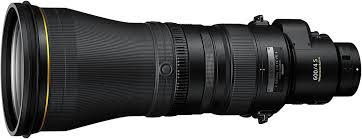
Related posts
March 25, 2026
Best Lenses for Safari Photography
Whether you’re headed to the sweeping savannas of Kenya or the dense forests of Uganda, having the right lens for your safari photography can make or break your experience. Wildlife moves fast, distances vary, and light changes constantly—so you need gear that’s as versatile and powerful as the landscapes you’re exploring.
In this guide, we’ll break down the best lenses for safari photography, from telephoto zooms to wide-angle companions, with expert tips on what to pack.
Ideal for: Capturing wildlife at a distance without disturbing them
Top Picks:
Sony FE 200-600mm f/5.6-6.3 G OSS
Canon RF 100-500mm f/4.5-7.1L IS USM
Nikon Z 100-400mm f/4.5-5.6 VR S
These lenses offer incredible reach, letting you photograph lions on the hunt or elephants at a distant watering hole. A zoom lens allows flexibility—especially important when animals move unpredictably. Look for built-in image stabilization to reduce camera shake in handheld shots.
Tip: A tripod or monopod is helpful, but a beanbag is ideal in safari vehicles.
Ideal for: Portraits of animals, birds, and action shots
Top Picks:
Canon RF 70-200mm f/2.8L IS USM
Nikon Z 70-200mm f/2.8 VR S
Sony FE 70-200mm f/2.8 GM OSS II
This range strikes a balance between reach and versatility. It’s perfect for photographing groups of animals, animal interactions, and close-up detail—like the intense stare of a leopard or the flutter of a bird’s wings.
Tip: Choose an f/2.8 aperture for better low-light performance, especially in forested areas or during golden hour.
Ideal for: Capturing landscapes, dramatic skies, and animals in their environment
Top Picks:
Sony FE 16-35mm f/2.8 GM
Canon RF 24-70mm f/2.8L IS USM
Nikon Z 24-70mm f/2.8 S
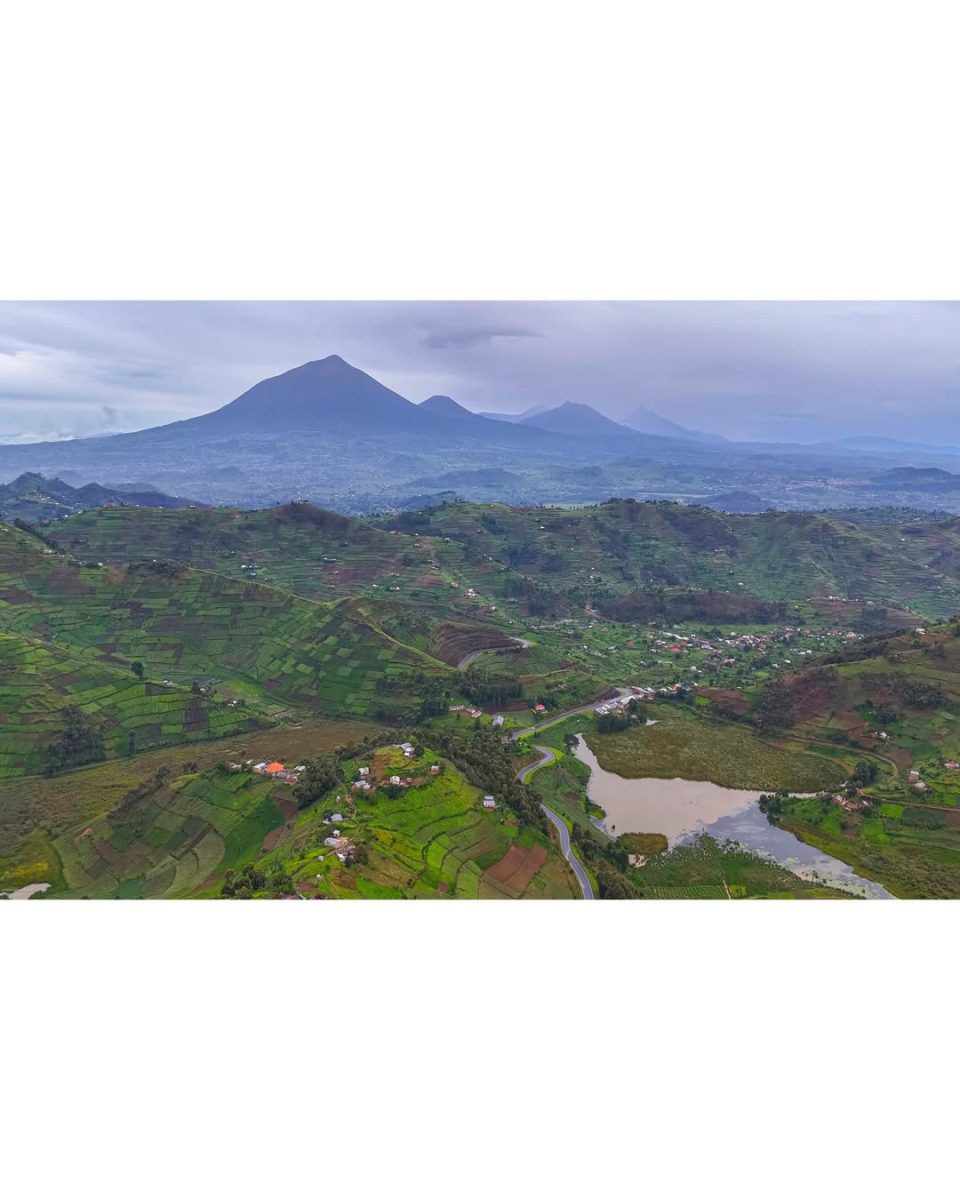
Wide-angle lenses help frame wildlife within their natural surroundings. Use them when you’re up close with larger animals, or when you want to showcase dramatic backdrops like Mt. Kilimanjaro, Lake Bunyonyi, or a line of giraffes under the setting sun.
Tip: Use this lens for storytelling compositions and include foreground elements for depth.
Ideal for: Sharpness, speed, and low-light scenes
Top Picks:
Canon RF 600mm f/11 IS STM (lightweight & budget-friendly)
Nikon Z 400mm f/2.8 TC VR S
Sony FE 135mm f/1.8 GM
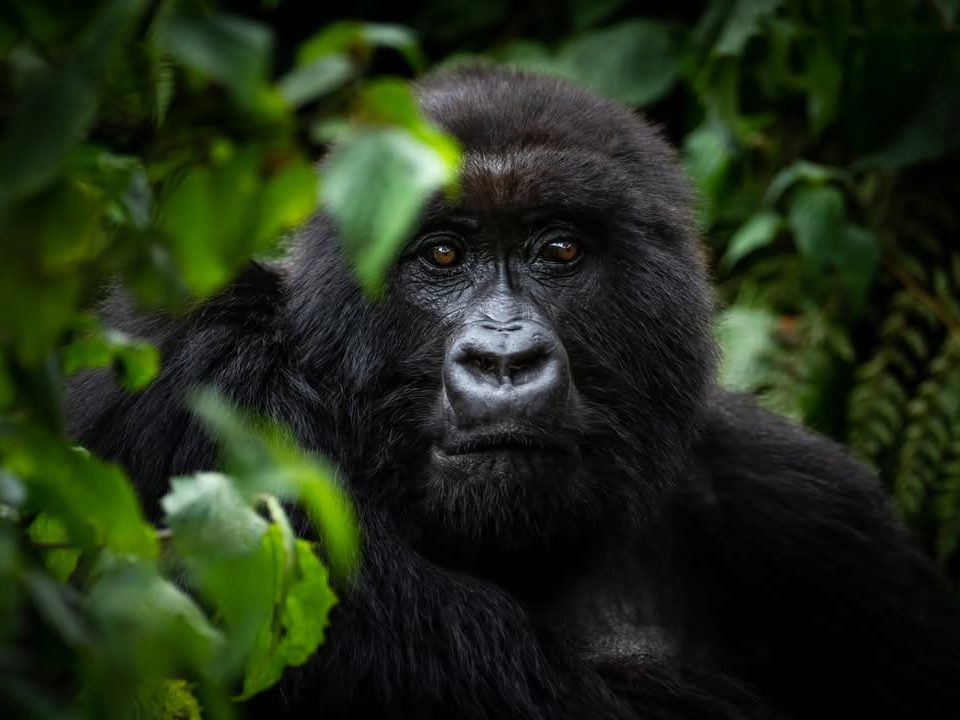
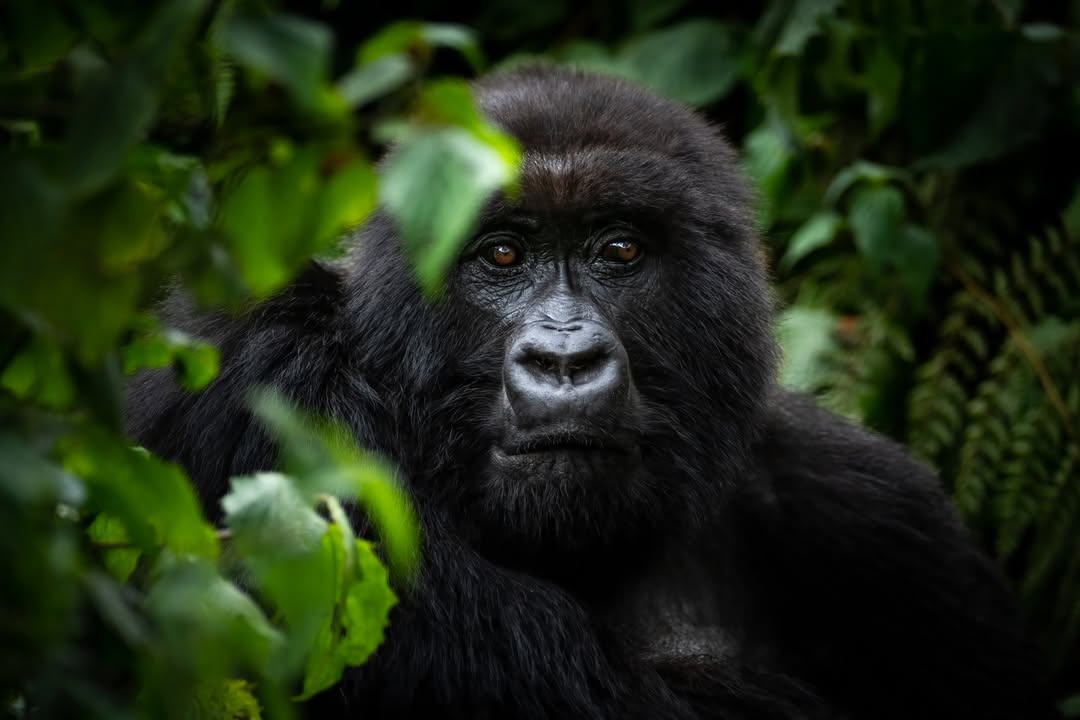
While primes don’t zoom, they often offer exceptional sharpness and wider apertures for shooting in poor light. If you’re focused on specific shots—like gorillas in the jungle or birds in golden light—a quality prime lens can produce stunning results.
Tip: Use primes when you want image quality over flexibility and don’t mind switching lenses occasionally.
Weight & Size: You’ll be in vehicles and on foot. Lighter lenses reduce fatigue.
Weather-Sealing: Dust, rain, and humidity are common in East Africa. Make sure your gear is rugged.
Focal Range: Zoom flexibility helps adapt to fast-changing scenes.
Stabilization: Look for IS/VR/OSS features to reduce shake, especially at long focal lengths.
Bring two camera bodies if possible—one for your zoom, one for your wide-angle—to avoid missing moments during lens changes.
Use lens hoods to reduce flare and protect glass.
Carry extra batteries and memory cards—safari days are long and full of action.
Practice using your lenses before the trip, especially if they’re new.
Beanbag or monopod: For steady shots from vehicles
UV filters: To protect lenses from dust
Rain cover or dry sack: Weather can change quickly
Microfiber cloth: To clean off mud, dust, and condensation
Every safari photographer is different. If you’re focused on wildlife, prioritize telephoto reach. If you love landscapes or storytelling, add a wide-angle. Want it all? Mix and match based on your weight allowance and interests.
A great lens doesn’t just capture images—it captures awe.
Q: Do I need more than one lens for safari?
A: Ideally, yes. A telephoto zoom for wildlife and a wide or mid-range zoom for landscapes and closer subjects.
Q: Is 300mm enough for safari?
A: Yes, 300mm is a great starting point for most animals. For birds or distant subjects, 400mm+ is better.
Q: Can I use a teleconverter on safari?
A: Absolutely. A 1.4x or 2x teleconverter can boost your reach but may reduce sharpness and light performance slightly.
Q: Should I bring a tripod?
A: Tripods are bulky. A beanbag or monopod is better suited for vehicle shooting.